
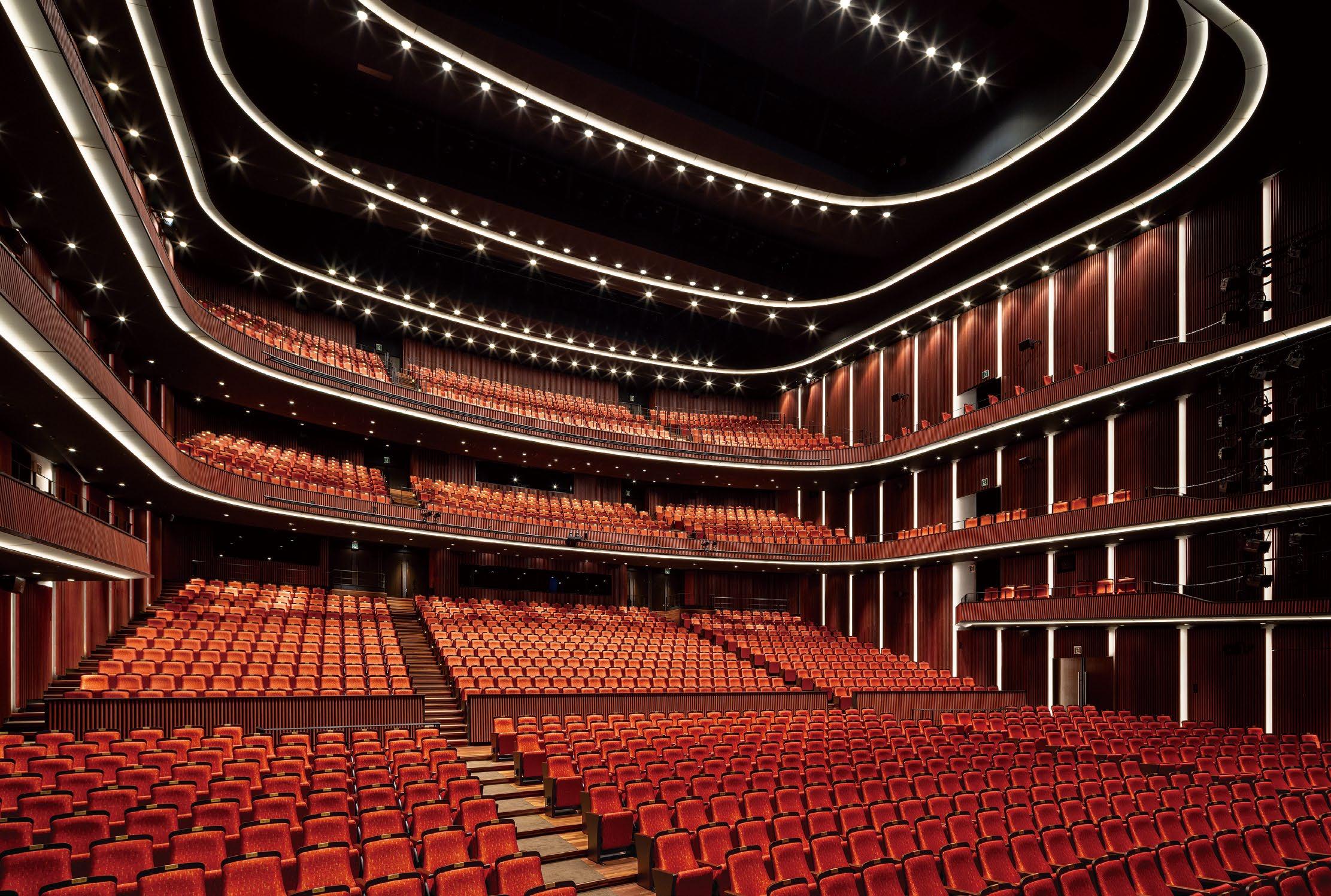
Theater as a Cultural Instrument
At its most elemental level, theater is a communal ritual. It is a convergence of voice, gesture, silence, and space, orchestrated to reflect the complexities of human existence. Long before the written word became dominant, societies relied on performative storytelling to transmit myth, morality, and memory. This lineage endures. Even in an era saturated with screens, theater remains defiantly corporeal—an art form that insists on presence.
Unlike reproducible media, theater is ephemeral by design. Each performance dissolves the moment it ends, leaving behind only recollection and resonance. This transience is not a flaw but a defining virtue. It heightens attentiveness. It sharpens emotion. The audience becomes complicit in the act of creation, bound by shared time and breath.
The Spatial Alchemy of Theater
Architecture and theater share a symbiotic relationship. From the open-air amphitheaters of antiquity to the black box spaces of contemporary experimentation, performance venues shape perception. The rake of seating, the proximity of actors, the acoustics of wood or stone—all influence how narrative is absorbed.
A proscenium stage frames action with painterly precision, offering a curated perspective. In contrast, immersive theater dismantles boundaries, dispersing scenes across rooms, corridors, even city streets. Here, spectators are no longer passive observers. They are itinerants, navigating story through motion and choice.
Space, in theater, is never neutral. It is semiotic. A bare stage can evoke desolation or possibility. A single prop, meticulously placed, can carry symbolic gravitas disproportionate to its size.
Language, Silence, and the Body
Text often dominates discussions of theater, yet dialogue is only one component of its expressive arsenal. Gesture speaks. Posture confesses. Silence, when wielded with intention, can be more eloquent than monologue.
The actor’s body is both instrument and archive. Training disciplines such as biomechanics, Suzuki, or Lecoq emphasize physical articulation as a primary narrative force. Through calibrated movement, theater accesses emotional strata that evade purely linguistic expression.
Vocality, too, transcends mere speech. Timbre, cadence, and breath control transform words into sonic architecture. A whispered line can destabilize an entire auditorium. A sustained pause can recalibrate collective attention.
Theater and the Ethics of Representation
Throughout history, theater has functioned as a mirror and a provocation. It interrogates power, identity, and social mythologies. From classical tragedies grappling with fate and hubris to modern works dissecting colonialism, gender, and alienation, theater thrives on tension.
Representation carries ethical weight. Casting, authorship, and narrative perspective are no longer ancillary concerns. Contemporary theater increasingly foregrounds marginalized voices, challenging canonical hierarchies and aesthetic orthodoxies. This recalibration does not dilute the art form; it invigorates it.
Provocation is intrinsic. Theater does not aspire to comfort. It seeks lucidity. At times, that clarity is unsettling.
The Collaborative Machinery of Theater
No other art form relies so heavily on collective authorship. Theater is an intricate ecology of roles: playwrights, directors, designers, technicians, dramaturgs, and performers operate in dynamic interdependence. Each decision reverberates across the whole.
Lighting design sculpts mood and directs gaze. Costume encodes status, era, and psychology. Sound design—often underestimated—constructs invisible landscapes. In theater, meaning emerges not from singular genius but from calibrated convergence.
Rehearsal itself is a crucible. Ideas are tested, discarded, resurrected. The process is iterative, dialogic, and frequently volatile. Yet from this friction arises coherence.
Theater in a Digitized World
Predictions of theater’s obsolescence have proven consistently inaccurate. While digital media offer convenience and scale, they cannot replicate liveness. The awareness that something could go wrong—that a line might falter, that emotion might fracture—infuses theater with palpable tension.
Hybrid forms have emerged. Projections, augmented soundscapes, and interactive technologies now coexist with traditional dramaturgy. Rather than eroding theater, these innovations expand its lexicon. The stage becomes a site of synthesis, where analog vulnerability meets digital precision.
Yet the core remains unchanged. A story. A space. A gathering.
The Enduring Necessity of Theater
In times of social fracture, theater offers a rare forum for collective contemplation. It slows perception. It resists algorithmic fragmentation. For a few hours, disparate individuals align their attention toward a shared fiction, and in doing so, confront shared truths.
This is the quiet power of theater. Not spectacle alone, but communion. Not distraction, but deliberate engagement. As long as humans seek meaning through story and embodiment, theater will persist—adaptive, unruly, and profoundly alive.
