
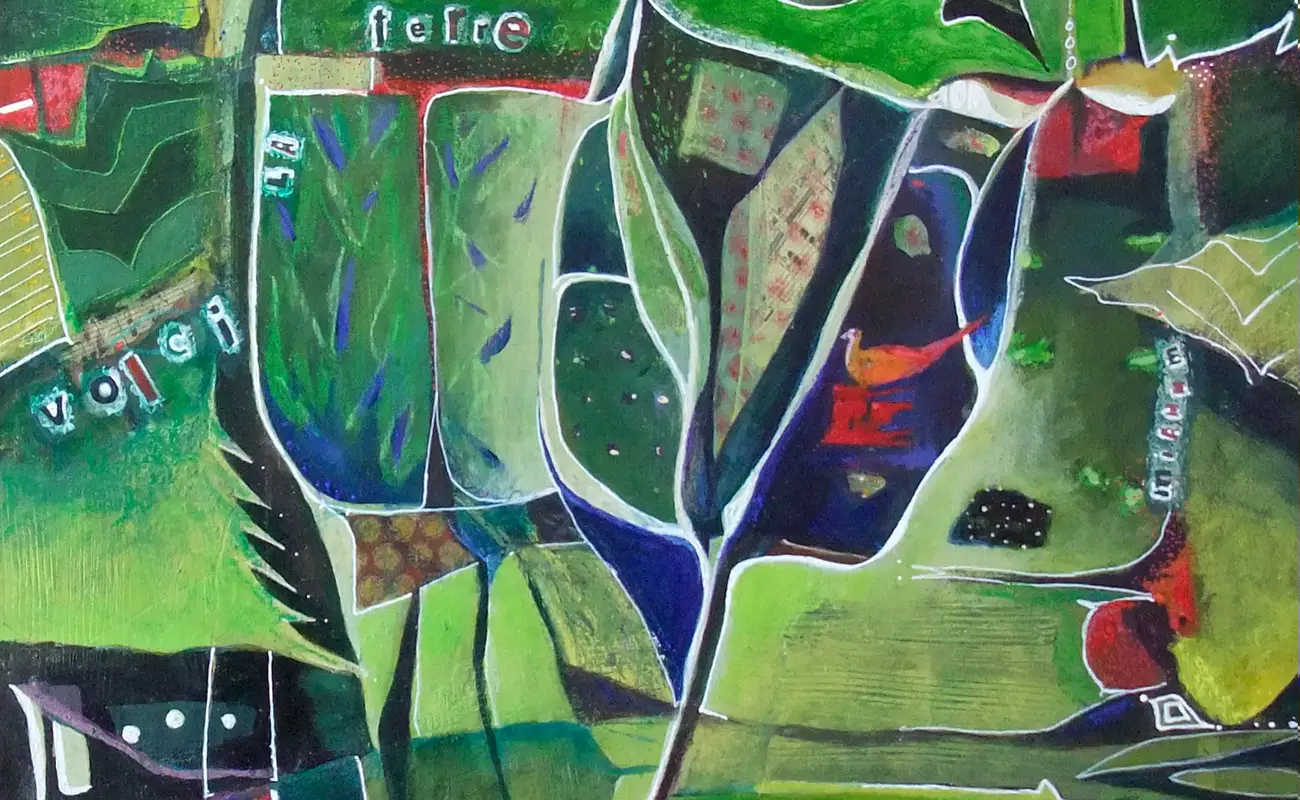
The Enduring Essence of Art
Art is not an object confined to galleries or a concept trapped within academic discourse. It is a living language—mutable, elusive, and profoundly human. Across centuries, art has functioned as both a mirror and a provocation, reflecting the contours of civilization while challenging its assumptions. It emerges from impulse and discipline alike, fusing intuition with rigor. Sometimes it whispers. Sometimes it disrupts. Always, it communicates.
At its core, art is an act of translation. Emotion becomes form. Thought becomes texture. Experience becomes symbol. This alchemical process allows the ineffable to acquire shape, rendering private sensation into shared meaning. A single line, hue, or gesture can encapsulate grief, ecstasy, dissent, or transcendence. Few human endeavors possess such density of expression.
Art and the Architecture of Meaning
Civilizations are remembered not only for their laws or conquests, but for their art. Cave paintings, illuminated manuscripts, monumental sculptures, and digital installations all serve as cultural fossils—evidence of how people once saw themselves and their world. Through art, societies encode values, myths, anxieties, and aspirations.
Yet art does not merely document. It constructs meaning. It frames reality through selective emphasis, abstraction, and distortion. Perspective, scale, rhythm, and absence become tools for shaping perception. In this way, art operates as a parallel epistemology—a way of knowing that resists linear logic and embraces ambiguity.
Ambiguity is not a flaw. It is a feature. Art thrives in the interstices between clarity and uncertainty, inviting interpretation rather than enforcing conclusion. Each encounter becomes participatory. The observer completes the work through attention, memory, and personal context.
The Material Intelligence of Art
Every medium carries its own intelligence. Stone resists. Pigment stains. Sound dissolves. Digital code recalibrates endlessly. Art is shaped by these material constraints, and in turn, transcends them. The choice of medium is never neutral; it is ideological, tactile, and temporal.
Consider the difference between ephemeral performance and enduring architecture. One vanishes as it unfolds. The other insists on permanence. Both are art, yet they engage time differently. One lives in memory. The other imposes itself on space. Such distinctions reveal how art negotiates presence and absence, durability and decay.
Craft matters. Precision matters. Even chaos is often meticulously constructed. The myth of effortless genius obscures the labor embedded in art—the revisions, failures, and recalibrations that precede resonance. Mastery does not negate spontaneity; it enables it.
Art as Dissent and Revelation
Throughout history, art has functioned as a quiet insurgent. When speech is censored, images speak. When systems calcify, art destabilizes them. Satire, symbolism, and allegory allow critique to slip past defenses, embedding resistance within beauty or irony.
But art is not only oppositional. It is also revelatory. It exposes unnoticed patterns, elevates marginal narratives, and renders the familiar strange. By disrupting habitual perception, art reawakens attention. It reminds viewers that reality is not fixed, but constructed—and therefore mutable.
This capacity for revelation grants art its ethical dimension. It does not dictate morality, yet it sharpens moral awareness. It complicates certainty. It expands empathy. In doing so, art resists simplification in an era addicted to immediacy.
The Contemporary Ecology of Art
In the contemporary landscape, art exists within a dense network of technology, commerce, and global exchange. Boundaries between disciplines dissolve. Visual merges with auditory. Physical merges with virtual. Art circulates at unprecedented speed, reaching audiences far removed from its point of origin.
This proliferation generates both opportunity and saturation. Attention becomes a scarce currency. Authenticity is contested. Yet art adapts. It always has. New tools recalibrate old impulses. The desire to create, to mark existence, to be understood—these remain constant.
Importantly, art today is no longer the province of elites alone. Participation has widened. Voices once excluded now contribute to the evolving canon. This plurality does not dilute art; it enriches it, introducing friction, hybridity, and renewed vitality.
Why Art Endures
Despite shifting forms and contexts, art endures because it addresses what cannot be optimized or automated: meaning. In moments of crisis or abundance, art persists as a site of contemplation. It slows time. It deepens perception. It affirms that human experience exceeds metrics and utility.
Art does not promise solutions. It offers something more enduring—orientation. A way to feel less alone in complexity. A way to recognize oneself in the work of another. In this shared recognition, art fulfills its quiet mandate: to connect, to unsettle, and to endure.

Leave a Reply