
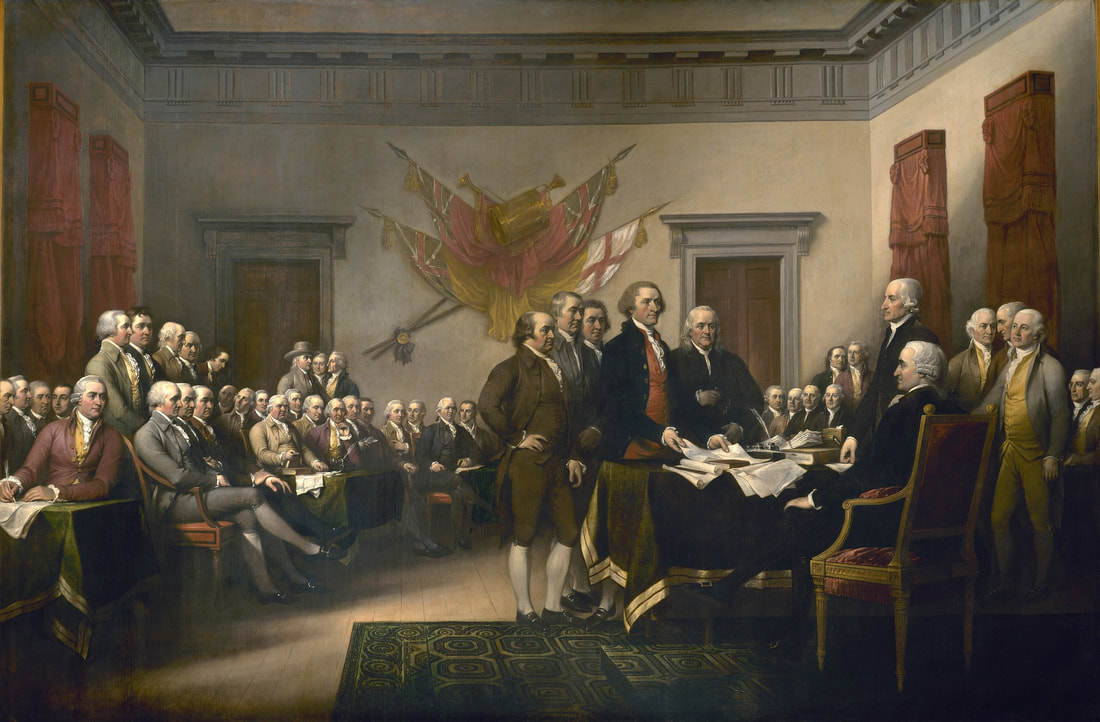
Art is not an accessory to civilization; it is one of its primary organs. Long before formal language was standardized, before commerce was systematized, creative expression carved its presence into stone, pigment, rhythm, and ritual. Cave walls, ceremonial objects, and early melodies attest to a persistent human impulse: the need to render inner experience visible. In this sense, art functions as both archive and prophecy, preserving memory while imagining futures not yet realized.
At its core, art is a mechanism of meaning-making. It translates the ineffable into form. Sometimes the translation is delicate and lyrical. At other times, it is abrasive, even unsettling. Both are necessary. Culture does not evolve through comfort alone.
The Anatomy of Art
To understand art, one must move beyond surface aesthetics and examine structure, intent, and context. Every artistic work is an assemblage of decisions—material, scale, rhythm, silence, color, negation. These decisions are never neutral. They carry ideological residue, emotional charge, and historical consequence.
A painting is not merely pigment on canvas. It is a negotiation between perception and interpretation. A novel is not simply narrative. It is architecture, pacing, omission. Even minimalism, often misconstrued as emptiness, is a discipline of restraint, where absence becomes an active participant. In all cases, art reveals as much through what it withholds as through what it declares.
Art and the Passage of Time
Time is one of art’s most elusive collaborators. Some works are anchored to a moment, reflecting social anxieties or political upheaval with forensic precision. Others transcend chronology, remaining uncannily relevant centuries after their creation. This durability is not accidental. It emerges from the artist’s capacity to tap into fundamental human conditions: desire, grief, wonder, alienation.
Yet art is not static. Meaning mutates as audiences change. A sculpture revered in one era may be contested in another. A song once dismissed may later be canonized. Interpretation is never fixed. This fluidity is not a flaw; it is evidence of vitality.
The Cognitive and Emotional Reach of Art
Neuroscience increasingly confirms what philosophers have long suggested: art alters cognition. It sharpens perception. It disrupts habitual thinking. When encountering a powerful work, the mind slows down, attention deepens, and emotional nuance expands. This is not passive consumption. It is an active encounter.
Emotionally, art offers a rare form of legitimacy. It validates complex feelings that often lack social permission. Ambivalence. Melancholy. Ecstasy without explanation. Through metaphor and abstraction, art gives these states a vocabulary. In doing so, it fosters empathy—not through instruction, but through resonance.
Art as Cultural Infrastructure
Beyond individual experience, art operates as cultural infrastructure. It shapes collective identity and ethical orientation. Public monuments, films, fashion, digital media—all participate in a visual and symbolic economy that influences how societies see themselves. The images a culture amplifies reveal its values. The stories it suppresses reveal its fears.
In times of instability, art often becomes more experimental, even insurgent. It questions authority, destabilizes dominant narratives, and exposes contradictions. This is why authoritarian systems frequently attempt to control or instrumentalize art. Creative autonomy is inherently disruptive.
The Economics and Ethics of Art
The commodification of art introduces tension. Market value does not always align with cultural significance. Spectacle can eclipse substance. Trend can overshadow rigor. Yet economic systems, flawed as they are, also enable production, preservation, and access. Patronage, whether institutional or individual, has always shaped artistic output.
Ethically, art demands responsibility without demanding compliance. It can provoke without prescribing solutions. It can illuminate injustice without reducing complexity. The most enduring works resist didacticism. They ask better questions rather than offering convenient answers.
The Digital Reconfiguration of Art
Technology has not diminished art; it has reconfigured it. Digital platforms collapse distance, democratize tools, and accelerate circulation. A single image can traverse continents in seconds. This velocity introduces both opportunity and noise. Attention becomes fragmented. Originality becomes harder to discern.
Still, art adapts. New forms emerge—interactive installations, generative visuals, immersive environments. The boundaries between creator and audience blur. Participation becomes part of the work. What remains constant is the underlying impulse: to explore perception, to interrogate reality, to construct meaning.
The Enduring Necessity of Art
In a world increasingly governed by metrics and efficiency, art insists on ambiguity. It resists simplification. It values depth over speed. This resistance is not nostalgic; it is essential. Societies that neglect art risk intellectual atrophy and emotional impoverishment.
Ultimately, art is not about decoration or diversion. It is about orientation. It helps individuals and cultures locate themselves within complexity. It teaches how to see, how to feel, how to question. And in doing so, art remains one of humanity’s most sophisticated tools for survival and transformation.
